For generations, diamonds have held a special place in fine jewelry. Their brilliance, durability, and timeless elegance have made them a traditional choice for engagement rings, anniversary pieces, and luxury jewelry items. But modern jewelry preferences are becoming more expressive, and colored gemstones are increasingly taking center stage. From vivid blue sapphire and rich green emeralds to passionate rubies, vibrant tourmalines, elegant aquamarines, and rare multicolored stones, today's jewelry landscape offers far more than a single definition of luxury.
The growing interest in colored gemstone jewelry is not simply about following a fashion trend. It reflects a broader shift toward individuality, color, storytelling, and personal meaning. Industry observations in 2026 point to increasing demand for colored gemstones across both bridal and fashion jewelry, with buyers showing greater interest in distinctive colors and designs.
Color Is Becoming a Form of Personal Expression
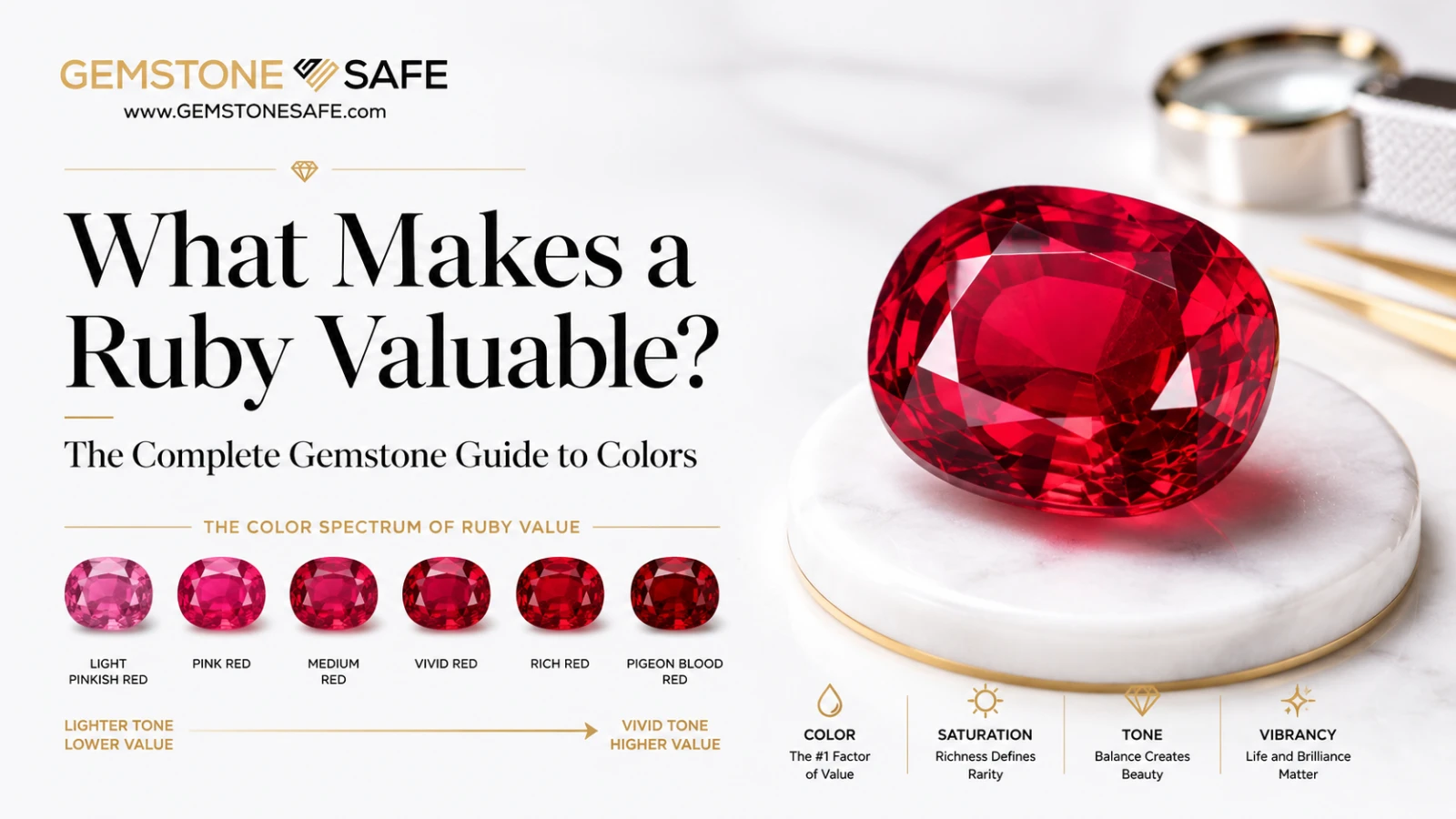
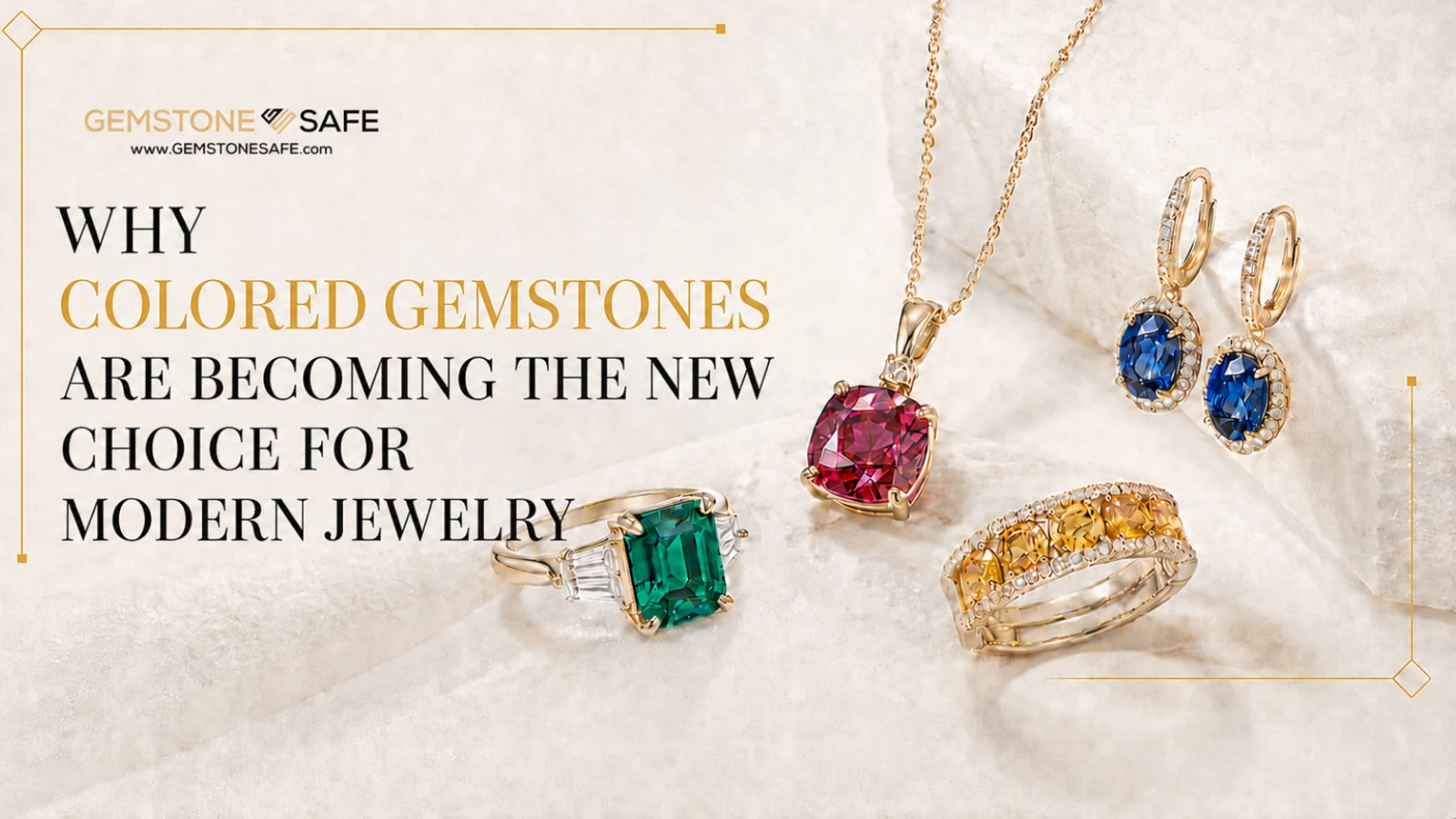
One of the biggest reasons colored gemstones are gaining attention is simple: color makes jewelry personal. A diamond can complement almost any design, but a colored gemstone can immediately communicate a particular mood, personality, or aesthetic. A deep blue sapphire can create a sense of sophistication, while a vivid emerald can bring a fresh and natural character to a piece. Ruby offers a powerful red presence, while tourmaline can introduce everything from delicate pinks and greens to striking blue and multicolor combinations.
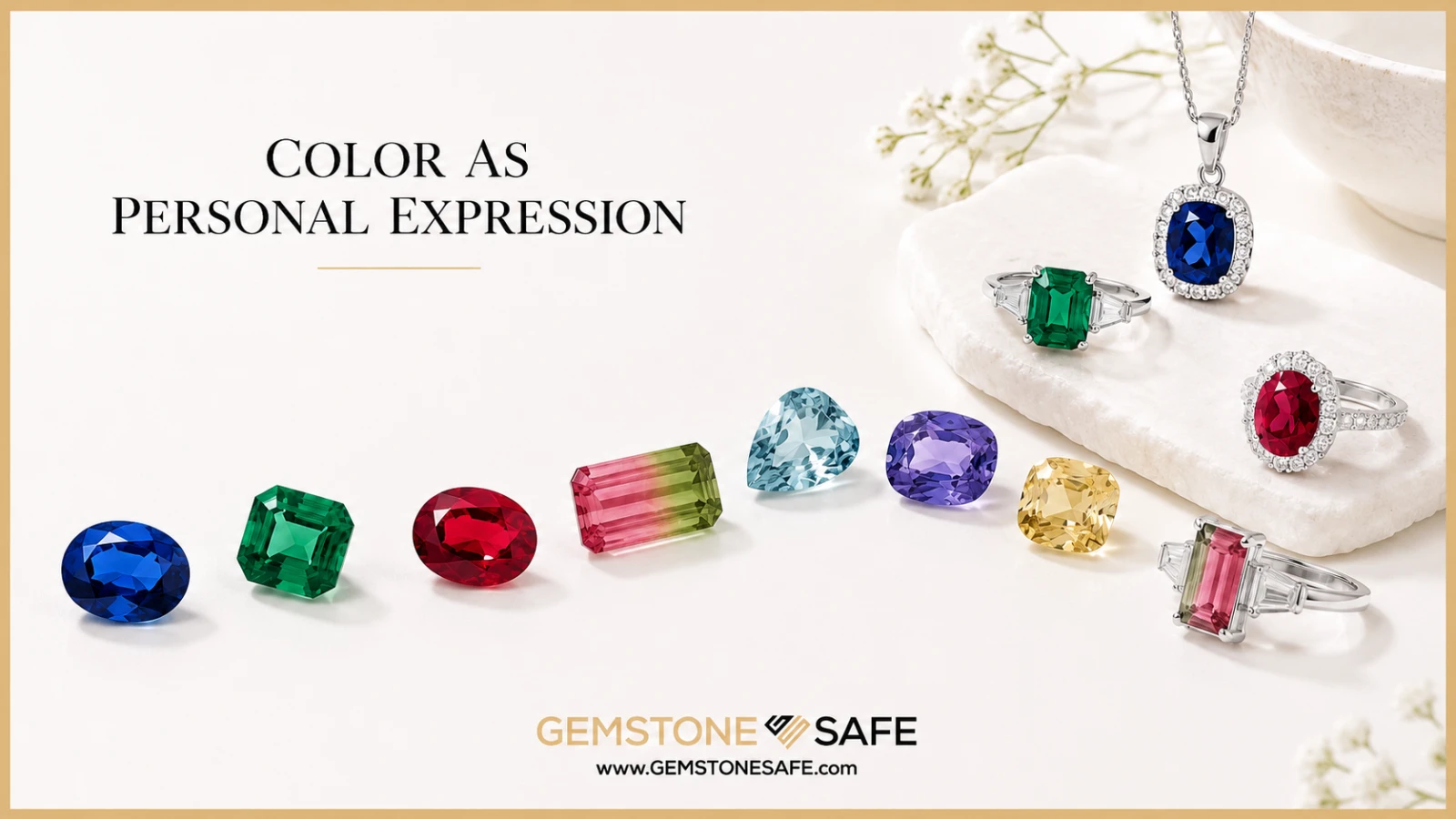
Modern buyers increasingly want jewelry that feels connected to who they are rather than simply choosing what has traditionally been considered standard. Recent industry reporting similarly highlights personalization and self-expression as important drivers behind the popularity of colorful gemstone jewelry.
Colored Gemstones Offer More Design Possibilities
Another advantage of colored gemstones is their extraordinary variety. Jewelry designers can work with different gemstone colors, shapes, sizes, cuts, and combinations to create pieces with completely different personalities. A classic oval sapphire can look elegant and traditional, while an unusual-cut tourmaline can create a contemporary statement.
This flexibility allows colored gemstones to work across many styles from minimalist everyday jewelry to elaborate high-jewelry creations. Modern designers are also experimenting with combinations of multiple gemstone colors rather than building an entire piece around one central stone. Blue, green, pink, yellow, red, and violet gemstones can be combined to create jewelry that feels artistic and highly individual.
Beyond Traditional Choices
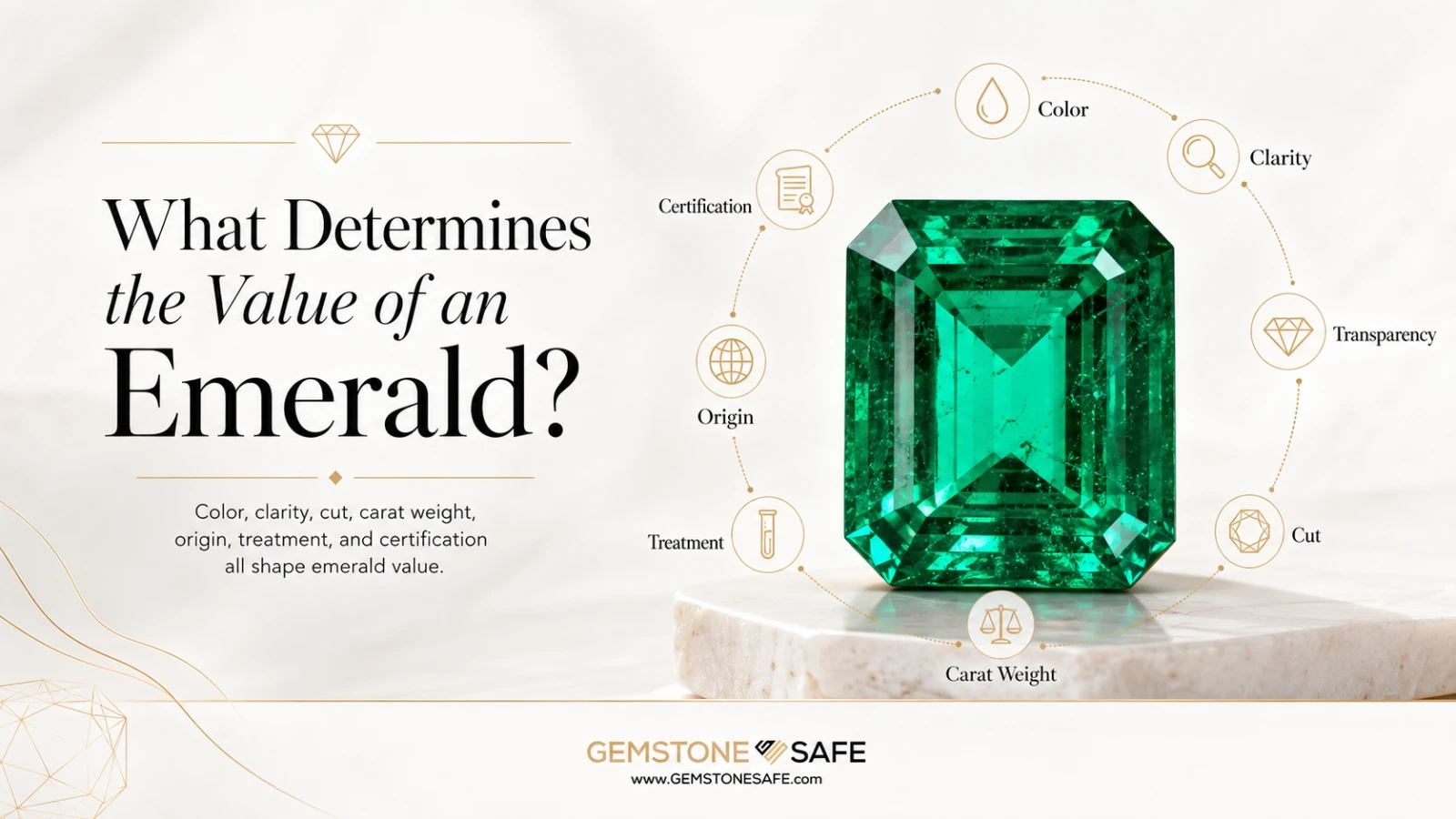
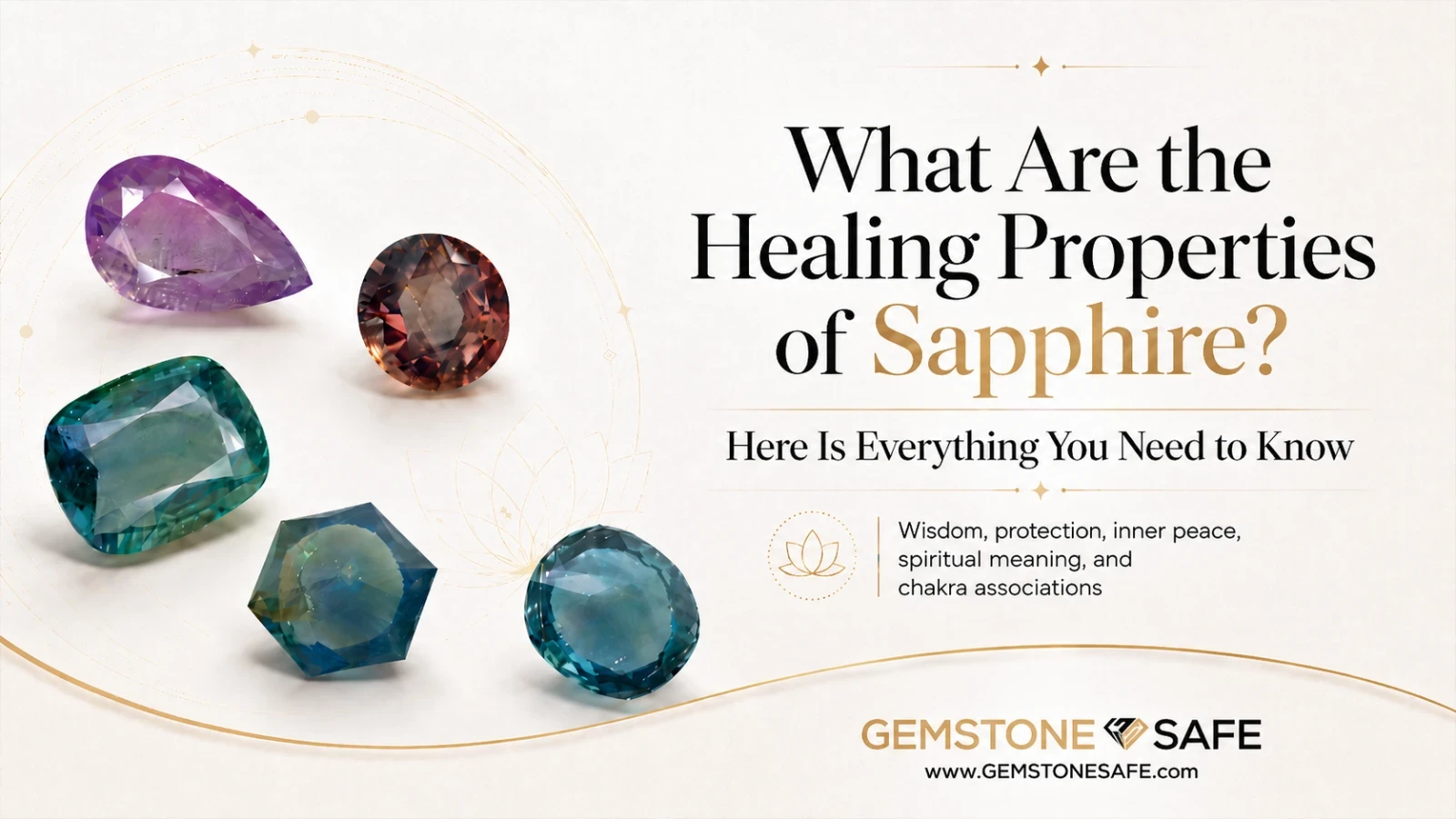
Ruby, sapphire, and emerald remain among the most recognized colored gemstones, but modern jewelry buyers are exploring a much wider world. Tourmaline, spinel, garnet, tanzanite, aquamarine, morganite, peridot, and other colored gemstones offer distinctive colors and personalities. Some are valued for their rarity, some for exceptional color, and others for their ability to offer something visually different from more familiar jewelry choices.
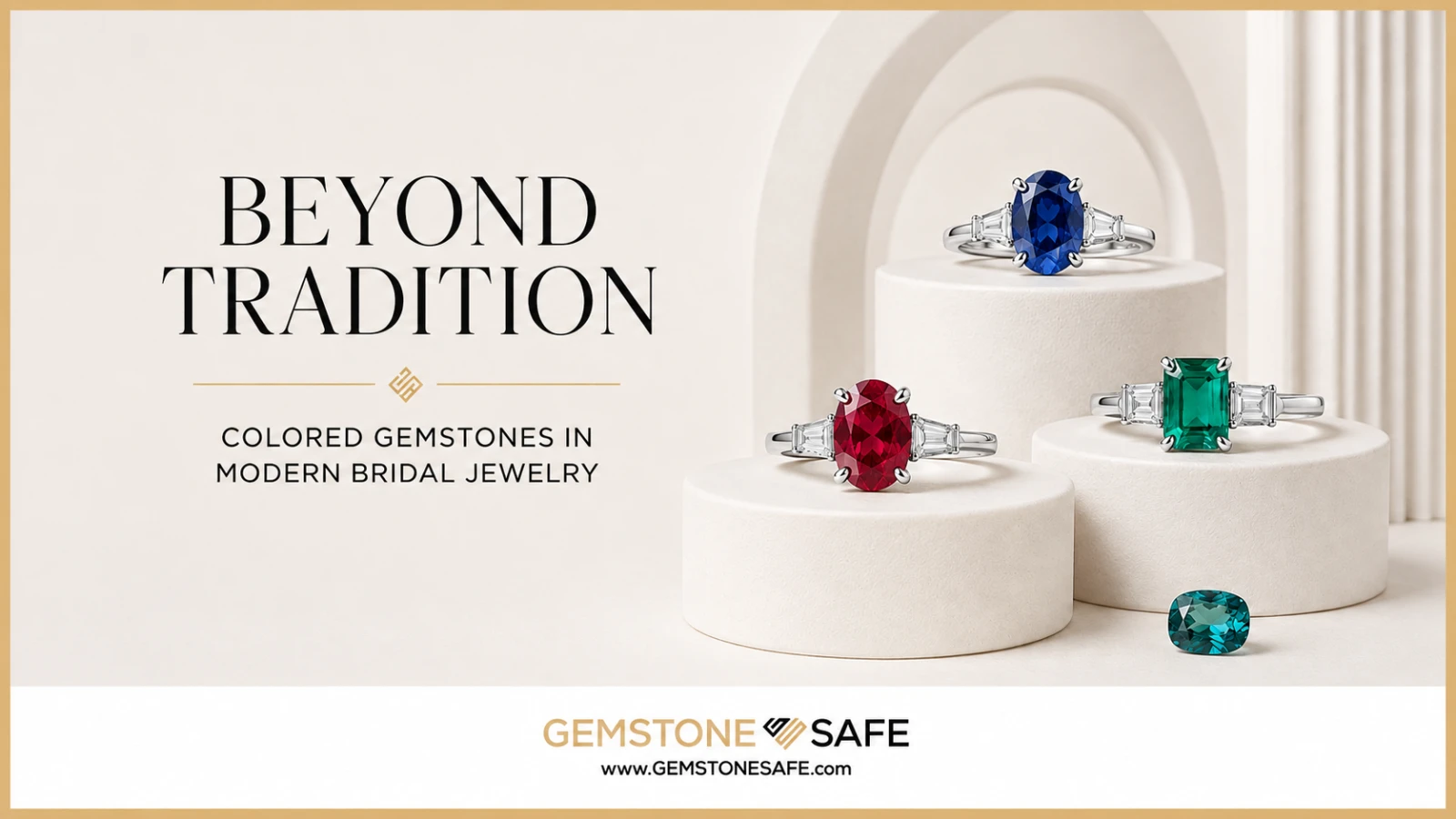
This wider selection is important because it gives buyers the opportunity to discover gemstones that match their preferences rather than limiting their choices to a small group of traditional options. The market is also seeing stronger interest in unusual colors and shapes, with industry trend reports highlighting growing consumer interest in blue-green, teal, green, and other distinctive gemstone colors.
Colored Gemstones Are Finding a Place in Bridal Jewelry
The movement toward colored gemstones is especially interesting in bridal jewelry. Engagement rings and wedding jewelry were once strongly associated with traditional diamond-centered designs. Today, however, colored gemstones are providing an increasingly popular way for couples to create something more distinctive.
Sapphire has long been an important alternative because of its durability and broad range of colors. But buyers are also exploring emeralds, rubies, spinels, tourmalines, and other gemstones for engagement rings and statement pieces.
According to recent jewelry-industry reporting, retailers and dealers are seeing rising interest in colored gemstones among bridal customers as well as fashion-jewelry buyers. For many couples, the appeal is not necessarily replacing tradition it is reinterpreting tradition in a more personal way.
Rarity and Individuality Add to Their Appeal
No two natural gemstones are exactly alike. Natural gemstones can contain unique internal characteristics, color patterns, inclusions, growth features, and variations in saturation. These characteristics contribute to the individuality of each stone. For collectors and jewelry enthusiasts, this uniqueness can be part of the attraction. Instead of selecting a piece because it looks identical to thousands of others, buyers can search for a gemstone with a particular color, origin, shape, size, or character.
This has also contributed to a broader interest in jewelry that feels collectible rather than purely seasonal. Contemporary luxury jewelry increasingly emphasizes exceptional stones, provenance, craftsmanship, and long-term significance.
Natural, Treated and Certified: Information Matters
As interest in colored gemstones grows, understanding what you are buying becomes increasingly important. Colored gemstones can occur naturally, and many may also undergo treatments designed to improve their appearance. Treatment is an established part of the gemstone industry, but accurate disclosure allows buyers to understand the material they are considering.
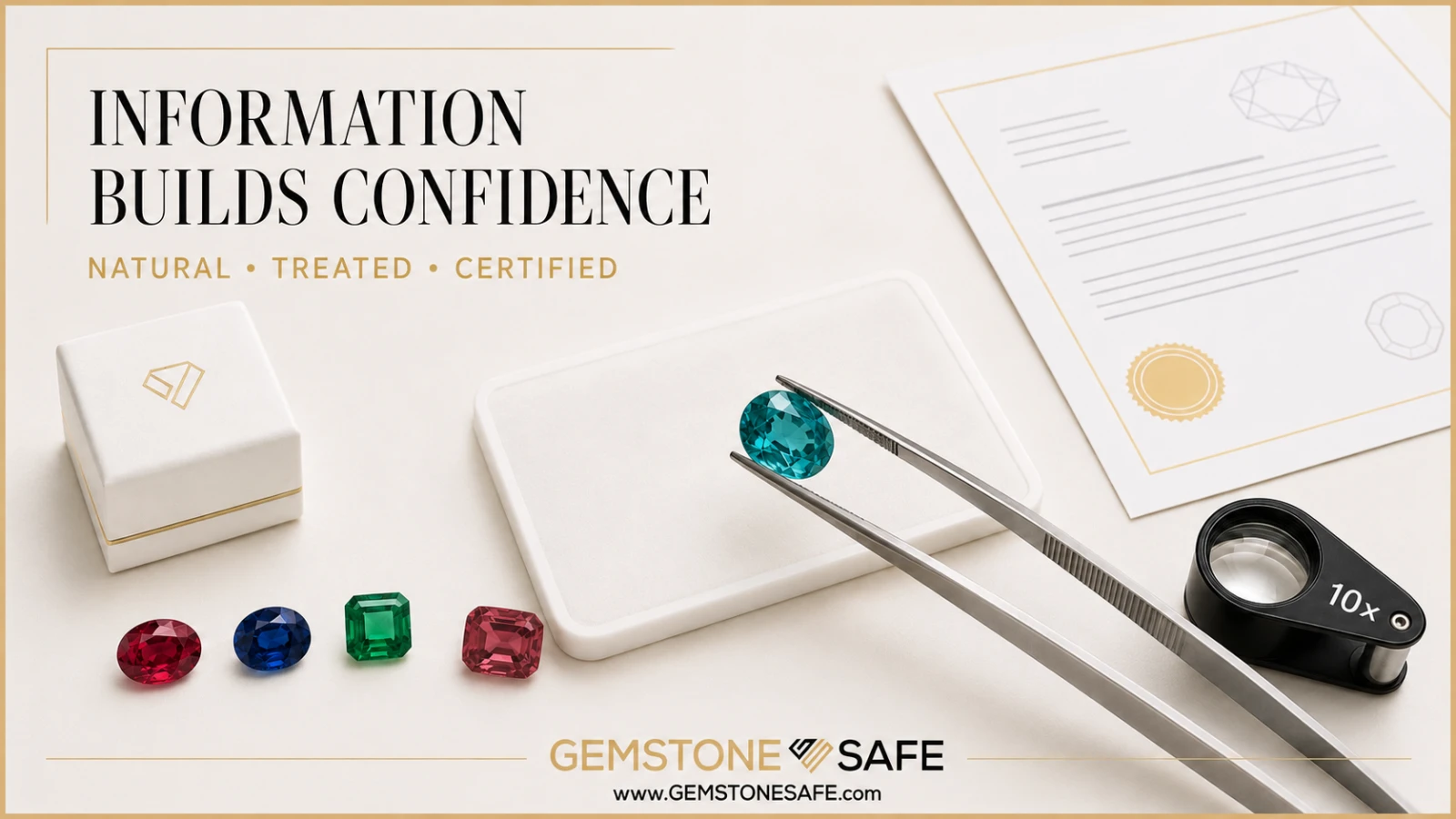
Certification and gemstone documentation can provide additional information about characteristics such as gemstone identity, treatment, and other relevant attributes, depending on the report. For this reason, modern gemstone buying is increasingly connected with information and transparency. A beautiful photograph is only one part of understanding a gemstone. Buyers should also consider the stone's description, available documentation, treatment information, and seller credibility.
Why This Trend Matters for the Future of Jewelry
The rise of colored gemstones represents something larger than a temporary fashion cycle. Today's jewelry consumers have access to more information, more gemstone varieties, more independent designers, and more opportunities to discover unusual stones than ever before. As a result, the definition of desirable jewelry is expanding.
Color is no longer simply an accent. It can be the central feature of the entire design. The modern buyer may want a vivid sapphire because blue is their favorite color, an emerald because of its natural character, a ruby because of its powerful presence, or a rare tourmaline simply because no other stone looks quite the same.
The Future Is More Colorful
Colored gemstones are becoming an important part of modern jewelry because they offer something that goes beyond traditional luxury choice. They allow jewelry to become more expressive, more personal, and more distinctive. Whether set in an engagement ring, pendant, bracelet, earrings, or a collector's piece, a colored gemstones can transform jewelry from a conventional accessory into something that tells a story.
As modern consumers continue to value individuality and meaningful design, the future of fine jewelry is likely to become even more colorful. And perhaps that is the most exciting part of the colored gemstone movement: there is no single color, gemstone, or style that defines modern jewelry. The choice is yours.